 Flooring Correct
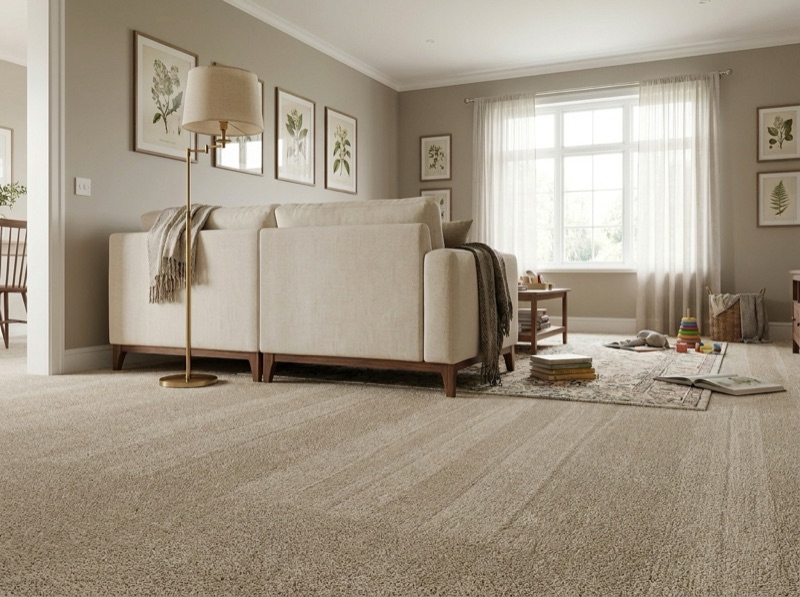
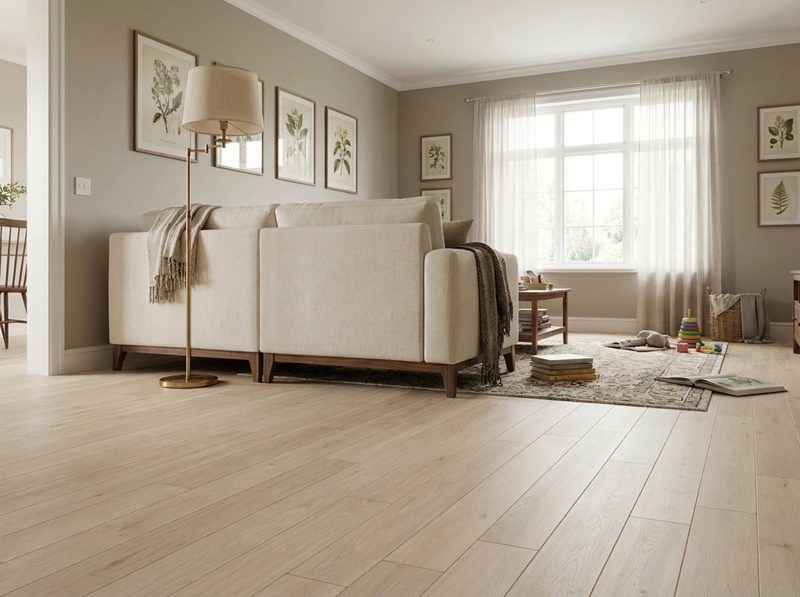
Are carpet tiles good for home gyms?
For mat work, stretching, and light cardio, yes. Carpet tile cushions falls, stays quiet, and lets one crushed or stained square be swapped out. For a rack, barbells, or anything dropped repeatedly, a hard surface holds up better, since pile compresses under fixed heavy loads. Many home gyms mix both: a durable floor plus a separate equipment mat under the heaviest gear.
The real decision is what the floor does, not what it is called
Most people looking at a home gym floor are not actually choosing a brand or a look. They are choosing between two different jobs a floor can do: cushioning a body moving around on it, or standing up to fixed heavy equipment and whatever gets dropped near it. Carpet tile is the showroom's modular option, and the honest answer to whether it belongs in a gym depends on which of those two jobs your room actually needs, not on whether carpet tile is generally a good product.
What is on the table when you are choosing the floor itself is carpet tile, a hard surface such as luxury vinyl plank or engineered hardwood, or a hard surface with an equipment mat over the heaviest gear. Purpose-made rubber and foam gym flooring is a category of its own, and it is worth asking about by name rather than assuming either way. Call 636-332-0654 and ask what the showroom can put in that room before you rule anything in or out.
Where carpet tile is the right call
For mat work, stretching, bodyweight circuits, and light cardio, carpet tile does real work. It cushions a fall better than a hard surface, it keeps the room quieter for anyone below or beside it, and because each square is independent, a spot that gets crushed or stained under a mat or a set of light dumbbells is a single tile, not a room. That repairability is the same advantage that makes carpet tile a common basement choice in the first place, and a gym corner of a basement inherits it.
Where a hard surface earns its place instead
A squat rack, a bench, or anything that gets loaded with plates and occasionally dropped asks something carpet tile is not built for. Pile compresses under a fixed heavy load and does not always spring back the way it does under normal foot traffic, and a dropped plate can crush or tear a tile in a way that is obvious every time you look at that spot. A hard surface takes a point load without permanently deforming, and it does not fight equipment on wheels the way carpet pile does. A rowing machine or a cardio unit with casters rolls cleanly across luxury vinyl plank or engineered hardwood and drags and catches on carpet.
The middle path: a durable floor plus a mat you bring yourself
Plenty of home gyms end up mixed rather than one material throughout. A durable floor across the room, with a separate equipment mat placed under the rack or the bench, is the usual way a drop zone gets handled, and it lets the heaviest use sit on something built for it while the rest of the floor stays easy to clean. Read that way, the floor and the mat are two separate decisions rather than one, which takes some pressure off the flooring choice. Decide the floor for how the room is used generally, plan the mat around the specific piece of equipment, and ask the showroom what it can supply for each rather than assuming.
What actually decides it for your room
Walk through what actually happens in the space on a normal week. A room that is mostly yoga, stretching, and a set of adjustable dumbbells leans toward carpet tile as a standalone floor. A room built around a rack, a barbell, and plates leans toward a hard surface, with a mat handling the impact zone directly. Many rooms are a mix of both activities, which is exactly why the material decision benefits from being walked through in person rather than settled from a product page.
If the gym is going into a basement, the slab itself adds one more variable that is worth reading about on its own, since what a basement floor has to tolerate below grade is a separate question from what a gym floor has to tolerate above it. Bring the equipment list, or the actual gear if you can, to the showroom and we will talk through where carpet tile fits and where it does not before anything is ordered. Call 636-332-0654.
More about flooring a home gym
Dropped weight, rolling equipment, and what changes if the room is below grade.
636-332-0654It can, in that one spot. A dropped weight can crush or tear the pile where it lands, and repeated dropping in the same place is not something carpet tile is built to absorb forever. A single damaged tile can be replaced, but a rack or a drop zone is better served by a hard surface with an equipment mat over it than by carpet tile alone.
You can, but it is not the easiest surface for it. Carpet pile resists a rolling caster more than a hard surface does, which means more drag while moving the machine and, over time, a worn track where it sits. Luxury vinyl plank or engineered hardwood roll more cleanly and are the more common choice under equipment on wheels.
It adds a separate question on top of the gym question. A basement floor has to tolerate what the slab is doing below grade regardless of what the room is used for, and that is covered on its own on the basement carpet tile page. Bring both the slab history and the equipment list to the measure so both get answered together.
Bring what is going in the room, not just its size
A rack foot, a mat you already own, or just the equipment list. Bring it to the showroom and press a few tile samples against it before anything is ordered.
Free estimate
636-332-0654