 Flooring Correct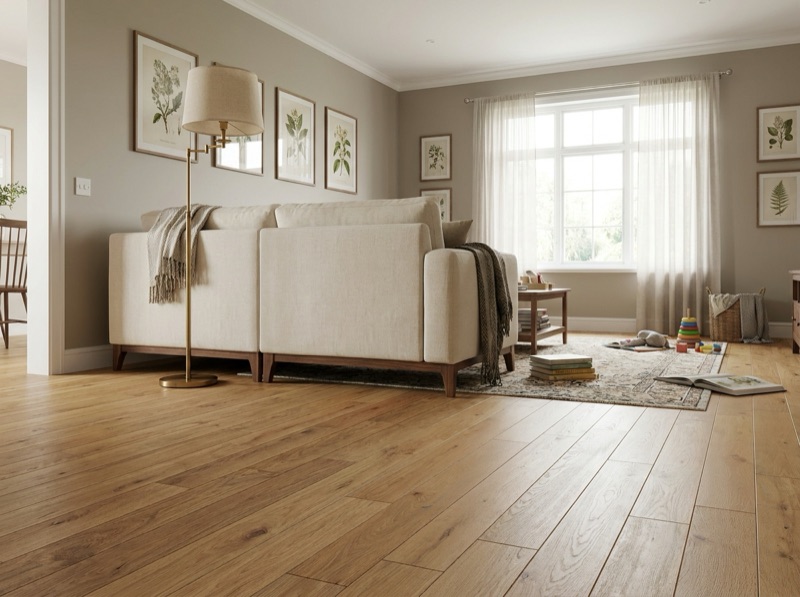
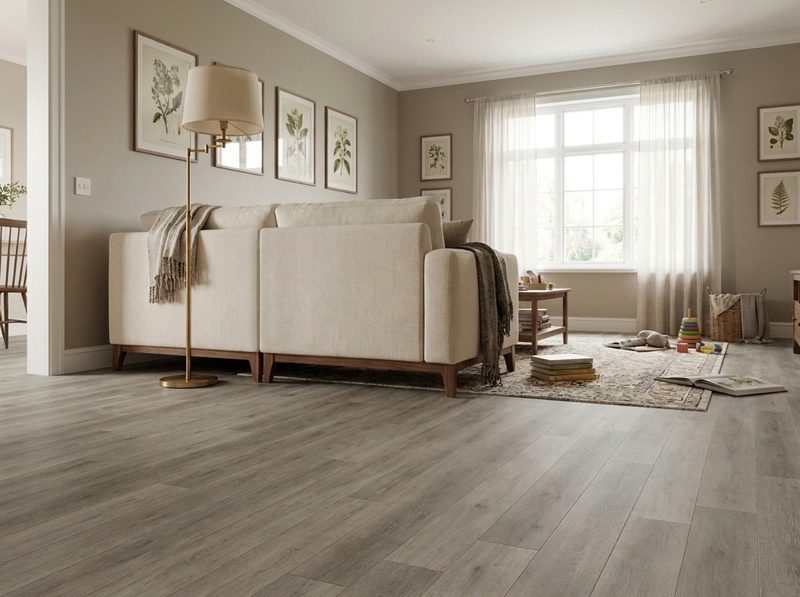
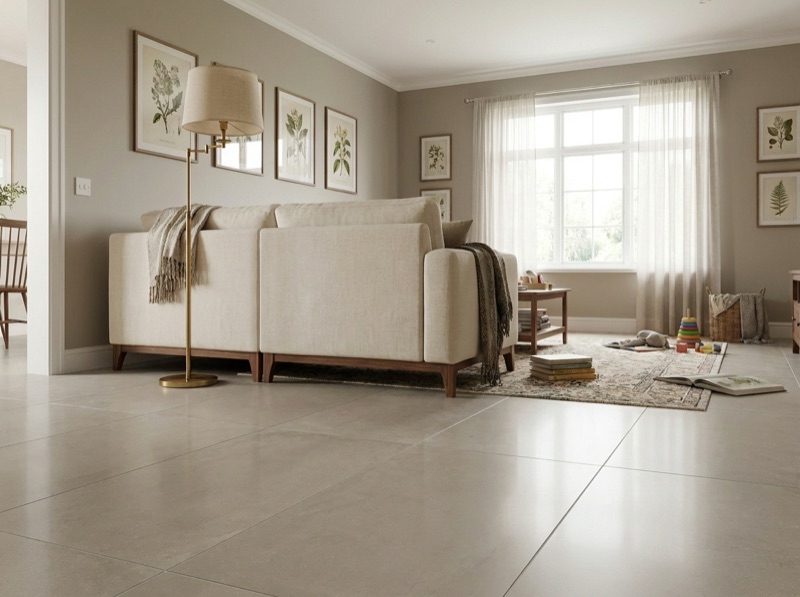
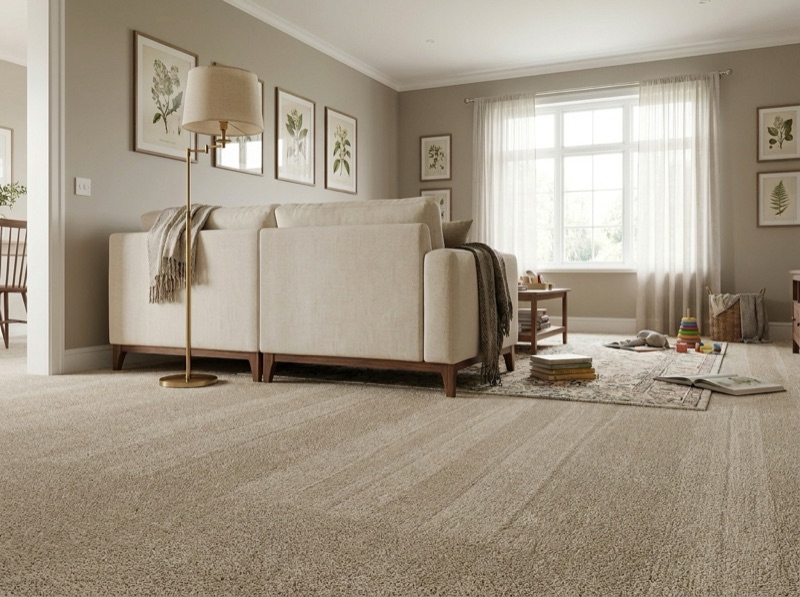
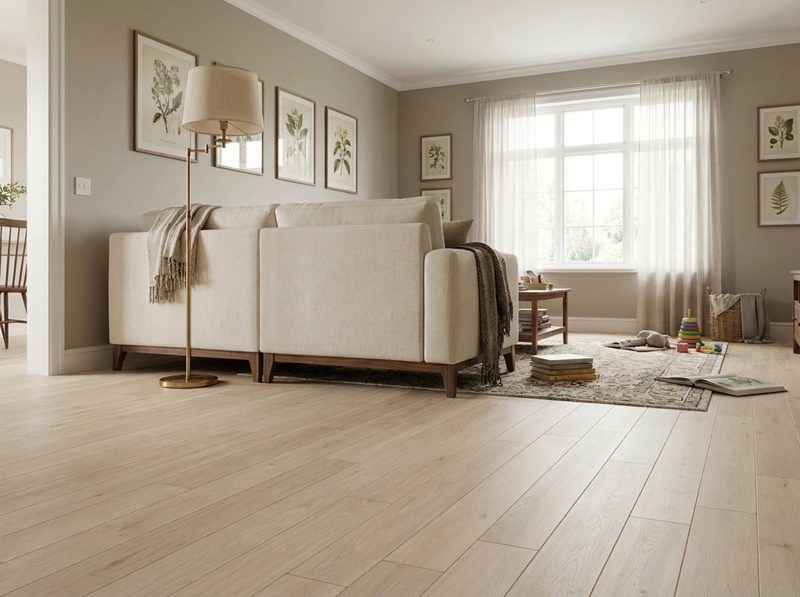
How do you floor a house you just bought?
Two honest paths exist. Floor it while the house is empty and every room is easy to reach, or live in it first so you actually know how each room gets used before choosing. The first is simpler to schedule, the second is better informed. The mistake is treating either path as obviously correct without weighing what it costs you.
What you gain by flooring it before you move in
An empty house is the easiest access a flooring job ever gets. No furniture to work around, no living room that has to stay usable while a hallway is torn up, and no schedule built around dinner and bedtime. Plank can run continuous under a spot a bookcase would later sit against, and a whole main level can be treated as one job instead of several coordinated around a family's routine. Logistically, this is the simplest version of the project there is.
What that costs you
The cost is information. You are choosing flooring for rooms you have not actually lived in yet: you have not seen where the afternoon sun lands hardest, felt which hallway takes the real daily traffic, or watched where the dog actually sleeps versus where the floor plan assumes the family room is. Committing material for the whole house before any of that is known is a real trade-off, and undoing a choice made too early, once trim and cabinetry have gone in around it, is a genuinely bigger project than getting it right the first time.
What you gain by waiting and living in it first
Living in the house teaches you things a walkthrough cannot. Which room becomes the actual mudroom, regardless of what it is labeled on the floor plan. Which window throws hard light that would bleach the wrong material. Where guests actually sit versus where the furniture layout in the listing photos suggested they would. Choices made with that knowledge tend to be the ones that do not need revisiting five years later.
What waiting costs you
Waiting means installing around furniture and an established routine later, and the disruption a lived-in home actually raises stops being hypothetical. It also means living on whatever floor is already there, sometimes original flooring in rough shape from a previous owner, for as long as you wait to decide. If that existing floor has a real problem underneath it, water staining, soft spots, a smell that will not go away, waiting to address it is its own cost even while you gather the information above.
Which rooms tend to favor each side
Truly empty transitional spaces, an entry, a hallway, a formal room you know will not be furnished right away, favor doing it now, since there is nothing to lose by moving fast in a room with an obvious use. A kitchen or bath already slated for renovation belongs in the same category, since it is getting torn open regardless of when you move in. Bedrooms with furniture you are not planning to relocate again, or a family room whose real layout will not be clear until you have lived with it, lean toward waiting.
The middle path most buyers actually take
Most homeowners do not pick one extreme. They floor the genuinely empty, obvious rooms before move-in and hold the bedrooms and family spaces until they have lived with the layout, effectively staging the project around the move itself. That approach gets the easy wins done while the house is empty without forcing a decision on rooms that would benefit from a few months of actually living in them first.
What buying an older home changes about the calculation
A house that has changed hands once already usually carries flooring decisions from a prior owner, and those decisions are part of what you are inheriting whether you asked for them or not. Carpet laid over a hardwood floor nobody has seen in years, tile that was never sealed correctly, a laminate that has been swelling quietly near a dishwasher: these show up as surprises precisely because the previous owner lived with them and either did not know or did not say. That is a strong argument for having the subfloor and the existing material actually looked at before deciding whether to floor now or wait, regardless of which side of the empty-house question you are leaning toward.
Bring us the closing date and the rooms you are unsure about, and let the free in-home measure tell you what is actually under the existing floors before you commit either way. Call 636-332-0654.
More on flooring a newly purchased home
Staging the project, what waiting costs, and what a whole-house job involves.
636-332-0654Neither is automatically right. Flooring an empty house is simpler to schedule and gives the crew the easiest access. Waiting means choosing with real information about how each room gets used. Most homeowners land somewhere between the two, flooring the obvious rooms early and holding the rest until they have lived there a while.
What is actually under the current floor. A previous owner's flooring can hide water staining, soft or uneven subfloor, or a smell that will not clear on its own, and none of that shows up by looking at the surface. The in-home measure checks the subfloor directly, which is worth doing before ordering anything for a house you have not lived in yet.
No. Splitting the project by room, doing the empty or obvious spaces first and holding the rest, is a common and reasonable approach. It lets you make the easy decisions quickly without forcing a call on a room whose real use you have not learned yet.
Don't order before we've seen what's underneath
Whichever way you lean, empty-house or wait-and-see, the free in-home measure checks the actual subfloor first. Tell us your closing date and the rooms you're weighing.
Free estimate
636-332-0654