 Flooring Correct
Is carpet bad for allergies?
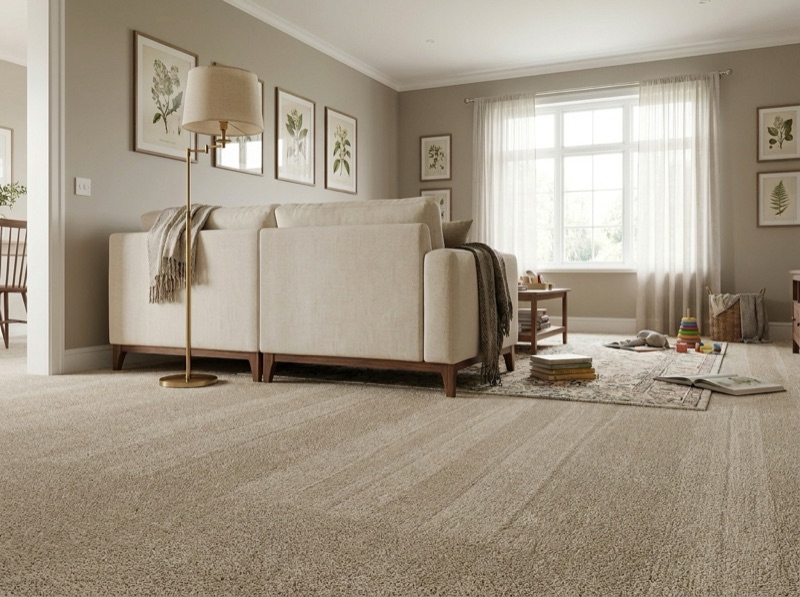
Not automatically. Carpet holds dust, pollen and dander in the pile instead of leaving them loose on the surface, which lowers what stays airborne between cleanings. Whether that helps or hurts depends on one step: how often and how well it gets vacuumed and deep cleaned. A dense, low, solution dyed construction on a real cleaning schedule tips the outcome toward helpful.
Where the allergens come from in the first place
Nothing about carpet manufactures dust, pollen or pet dander. Those arrive from outside the material entirely: through an open door, tracked in on shoes, carried in on pet fur, or drifting through the house on ordinary air movement. Every floor in the house is exposed to the same incoming load. What differs is what each surface does with it once it lands, and that is where the carpet question actually starts.
What happens the moment it lands on carpet
A hard floor lets fine particles sit loose on the surface, where a draft, a footstep or a running vent can lift them back into the air almost immediately. Carpet's pile does the opposite. Fibers hold the particle down in the structure of the yarn rather than leaving it free on top, which is why less of what lands on a carpet stays free to be lifted back into the air between cleanings. That trapping is real, and it is the step most people stop reading at.
Cleaning cadence is what tips it either way
Trapping is only half the sequence. What happens next, whether that held particle stays put or gets released back into the air, is decided almost entirely by how the carpet gets cleaned and how often. Regular vacuuming with a machine that filters well pulls the load out permanently. Infrequent vacuuming, or a machine that recirculates fine dust instead of capturing it, does the opposite: it disturbs the pile just enough to send particles airborne without actually removing them. A carpet cleaned on a real schedule performs very differently from an identical carpet left alone for months, and that is the variable that decides whether carpet helps or hurts more than the material itself does.
Construction changes how forgiving that step needs to be
A dense, low pile holds less material to begin with and gives a vacuum an easier path to reach it, compared with a tall, loose one that lets particles settle deep where routine cleaning barely reaches. Solution dyed fiber, where color runs through the yarn rather than sitting on the surface, tolerates the more frequent deep cleaning an allergy household actually needs without fading or wearing out early. The fiber and pile choices are covered in full on our carpet page, and for anyone with allergies specifically, that construction conversation matters more than color or texture.
What a hard floor changes, honestly
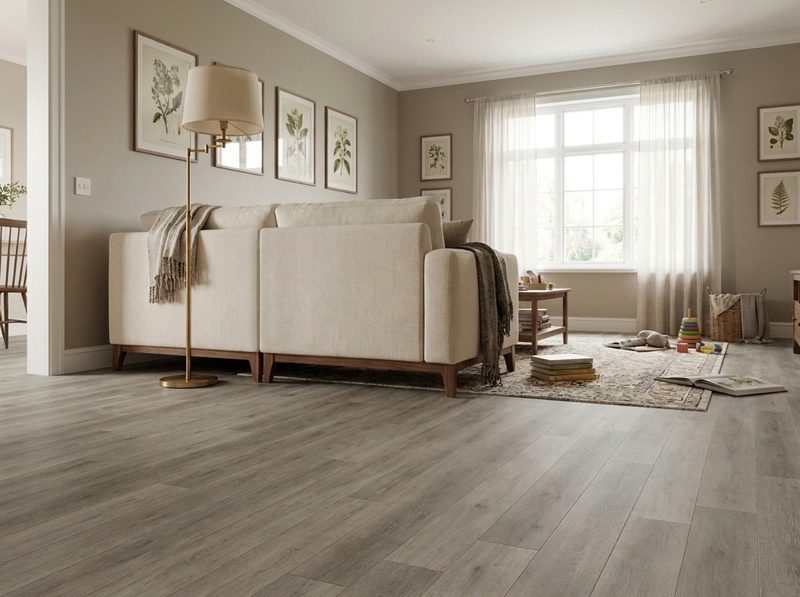
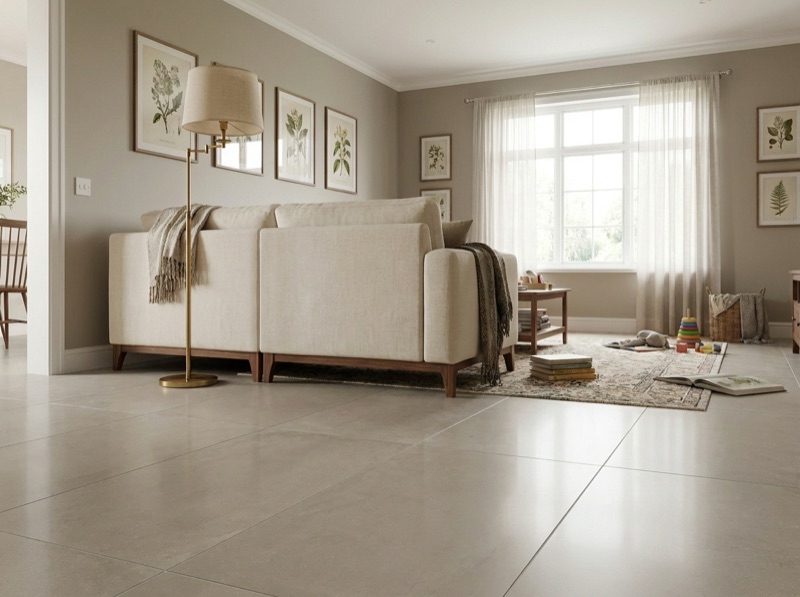
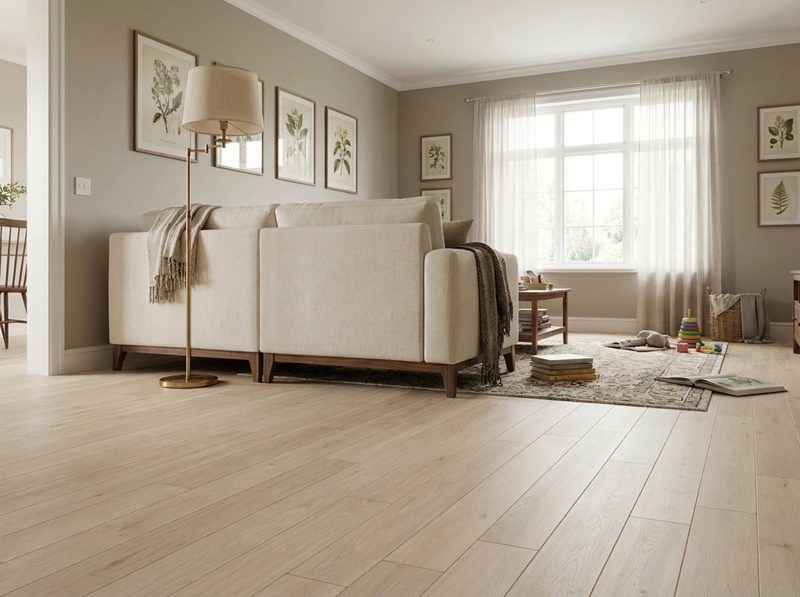
A hard surface removes the trapping step from the sequence entirely, for better and for worse. Nothing gets held down in a pile, which also means nothing waits there to be lifted out on a real cleaning schedule instead of drifting the moment someone walks through. If you are weighing carpet against every other material in the house for allergies specifically, rather than deciding whether carpet itself can work, that broader comparison has its own page and is worth reading before you rule anything out.
The honest bottom line
Carpet is not automatically bad for allergies, and it is not automatically fine either. It behaves like a holding tank: useful when it is emptied on a real schedule, a liability when it is not. A low, dense, solution dyed construction, combined with vacuuming that is actually frequent enough and a deep clean on a real cadence, is what tips the outcome toward helpful rather than harmful.
More on carpet and allergies
Whether vacuuming can backfire, pile height, and the separate question of new carpet smell.
636-332-0654It can feel that way, and there is truth in it. A vacuum without good filtration disturbs the pile and can send some trapped particles back into the air during the pass itself. A machine built to actually capture fine dust rather than recirculate it avoids that trade and is worth choosing deliberately in an allergy household.
Generally, because a shorter, denser pile holds less material to begin with and gives a vacuum a more direct path to reach what is there. A tall, loose pile can hold more, and routine cleaning has a harder time working all the way down into it.
New carpet can carry a temporary odor as materials off-gas, which is a separate issue from ongoing allergen trapping and fades on its own over time rather than being a permanent property of the carpet. It is a different question from the day-to-day dust and dander question this page covers.
Sample a low pile, solution dyed construction
Tell us about the allergies in the household and we will pull low, dense, solution dyed lines built to tolerate real cleaning, then measure the room for free.
Free estimate
636-332-0654