 Flooring Correct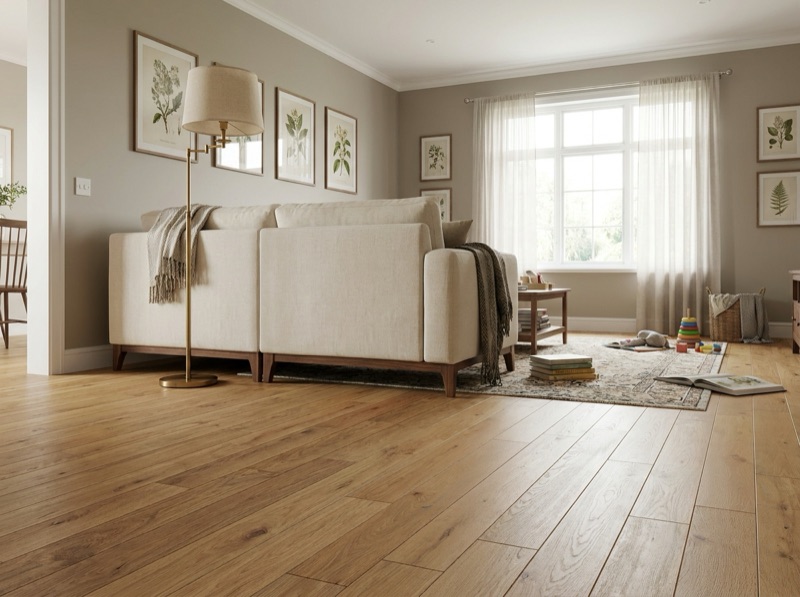
Entryway and Mudroom:
Built for the
Drop Zone
Every bit of dirt, water, salt, and grit your household tracks in from outside lands here first. An entryway floor has to survive that daily, which makes durability and easy cleanup the real questions, not color.
An entryway or mudroom does not get to be delicate. It is the one floor in the house that meets the outside world directly, tracked in on shoes and paws before anyone has had a chance to wipe anything off, and it does that every single day regardless of season. Call 636-332-0654.
Why this floor takes more abuse than almost any other
Grit and small stones act like sandpaper underfoot, wet shoes bring in moisture on a schedule no other room deals with, and a Missouri winter adds road salt into that mix for months at a stretch. A material that looks fine in a showroom can still be the wrong choice here if it cannot shrug off that combination day after day without showing it.
Tile and luxury vinyl plank: the honest answers
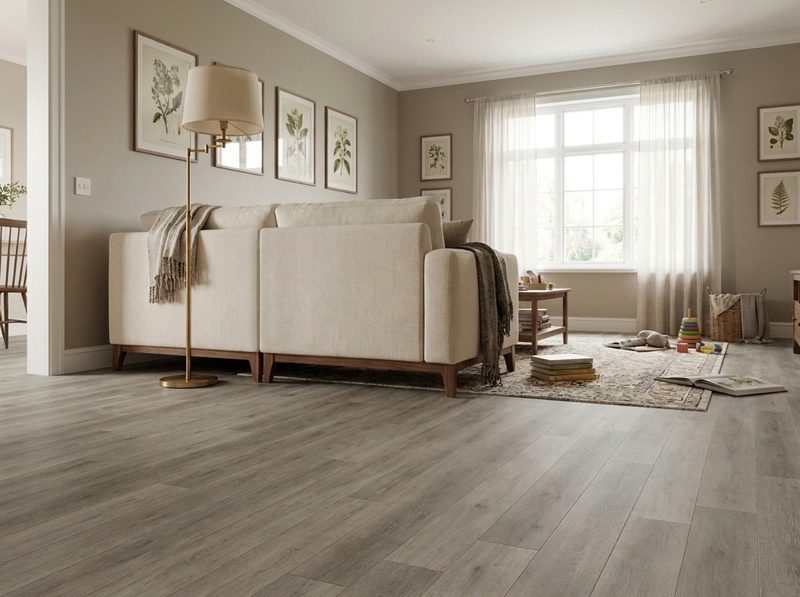
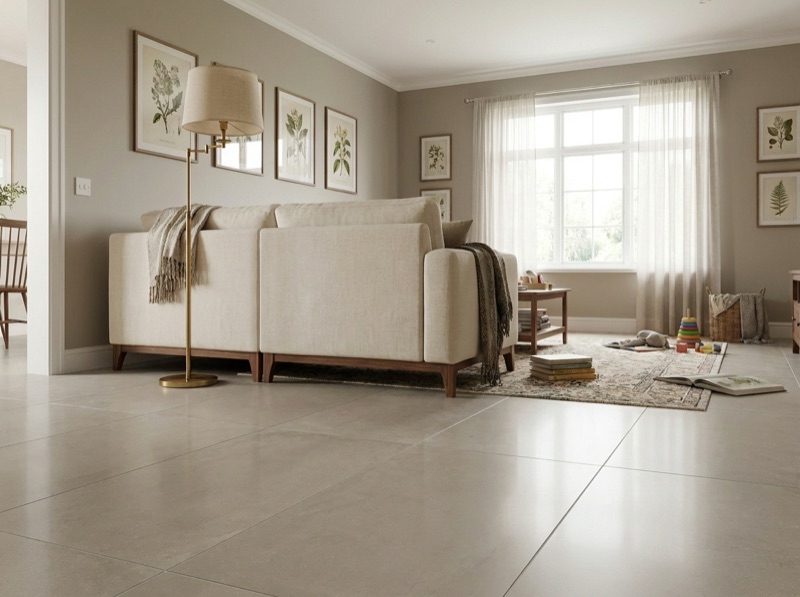
Tile is close to unbeatable at an entry. It does not care about water sitting on it, grit does not wear it down the way it wears down other materials, and it cleans with nothing more complicated than a mop. Luxury vinyl plank is the other honest answer, and for a lot of households it is the more comfortable one underfoot while still shrugging off water and grit without complaint. Between the two, the decision usually comes down to whether you want the warmth and give of a plank or the outright toughness of tile.
Why carpet is generally the wrong fit at a door
Carpet directly at an entry door is usually a mistake, and it is worth saying plainly rather than hedging. It holds onto the grit that a hard surface sheds, it soaks up water instead of shedding it, and it dries slowly in exactly the spot where wet shoes and wet paws show up most often. None of that is a knock on carpet generally. It is simply the wrong material for the first few feet inside a door.
Slip resistance when wet is a real factor
Melting snow off a boot, a wet umbrella, a dripping dog: an entry floor gets wet on a normal day, not just an unusual one, and that makes slip resistance worth naming directly rather than assuming. Tile options vary in surface texture, and some finishes are noticeably better underfoot when wet than others. The same is true of luxury vinyl plank, where texture and finish differ by product. This is exactly the kind of detail worth asking about by name rather than choosing on color alone.
The threshold transition matters as much as the field material
Where the new floor meets the exterior door is its own small decision, separate from the material chosen for the rest of the entry. That transition point takes direct weather exposure, temperature swings between outside and in, and the most concentrated foot traffic in the room. It needs a transition piece suited to both materials on either side of the threshold, sized and installed for that specific doorway rather than treated as an afterthought once the rest of the floor is down.
Doormats and boot trays help, but they do not fix the wrong floor
A doormat or a boot tray catches the worst of what comes in the door, and it is worth having regardless of what the floor underneath is. What it cannot do is compensate for the wrong material choice. If the floor itself holds onto water and grit the way carpet does, a mat only delays the moment those problems show up a few inches further into the house. The floor has to handle the exposure on its own, with a mat as a helpful first line rather than the actual solution.
The drop zone is usually bigger than the doormat
It is easy to think of an entryway as just the few feet inside the door, but the durability-and-easy-cleanup logic usually needs to extend further than that: down a front hallway, across to a coat closet, or through to wherever shoes actually get taken off. Drawing that boundary generously, rather than stopping the tough material right at the doormat, avoids a hard line where the abuse-resistant floor ends and a more delicate one picks up exactly where feet are still wet.
What is next to the entry matters too
An entryway rarely stands alone. It is often steps from a kitchen, which shares the same durability and easy-cleanup logic, or it leads down to a basement, where the reasoning about a hard, forgiving surface carries straight through. Matching material across that boundary, or at least matching the logic behind the choice, tends to make the whole path from the door inward feel considered rather than pieced together.
A bench or built-in storage is a design layer on top
A mudroom bench, cubbies, or built-in storage are worth planning, but they sit on top of the floor rather than replacing the decision about it. Whatever storage goes in, the floor underneath it still needs to handle water, grit, and salt on its own terms, so it is worth choosing the floor first and building the storage around what is already durable underfoot.
Wood-look tile as a middle option
For households that want the look of hardwood at the entry without any of the risk, a wood-look finish within our tile line gives that appearance while keeping every practical advantage tile has over an organic material: indifference to standing water, resistance to grit, and a surface that never needs to worry about what a wet boot does to it. It is a reasonable way to keep a consistent look from an entry into an adjoining hardwood room without exposing real wood to the abuse an entry takes.
What we check before quoting an entry or mudroom
During the free in-home measure, we look at what the entry connects to, how much direct outside exposure it gets, and whether slip resistance needs to be weighted more heavily for your household. Our full installation process covers transitions at the door threshold specifically, and the rest of the house is covered in our rooms guide.
“The job was done quickly and done very well- thanks Randy. ... All in all, it was a good experience with Flooring Correct. I would recommend them to anyone”
Questions about entry and mudroom flooring
Straight answers on why tile and luxury vinyl plank are the honest choices at a door, and why carpet usually is not.
636-332-0654Tile or luxury vinyl plank, because both handle water, grit, and salt without complaint and clean up easily. Carpet is generally the wrong fit directly at a door, since it holds onto grit and soaks up water instead of shedding it.
Carpet can work a few steps past the entry, once the worst of the water and grit has already been caught by a hard surface, but directly at the door it is usually the wrong material.
A real one. An entry gets wet on a normal day, not an unusual one, from melting snow, wet shoes, or a wet umbrella. Surface texture and finish vary by product in both tile and luxury vinyl plank, so it is worth asking about by name.
It often makes sense, since a kitchen and a mudroom share the same durability and easy-cleanup logic. It is not a requirement, but matching the material, or at least the reasoning behind it, tends to read as considered rather than pieced together.
Not really. Storage sits on top of the floor rather than replacing the decision about it, so it is worth choosing a durable floor first and planning the bench or cubbies around it.
What the entry connects to, how much direct outside exposure it gets, and whether slip resistance should be weighted more heavily for your household before we recommend a material.
Price entryway and mudroom flooring
Tell us what the entry connects to and how much outside exposure it gets. We measure in person and quote from what the room actually needs to survive.
Free estimate
636-332-0654