 Flooring Correct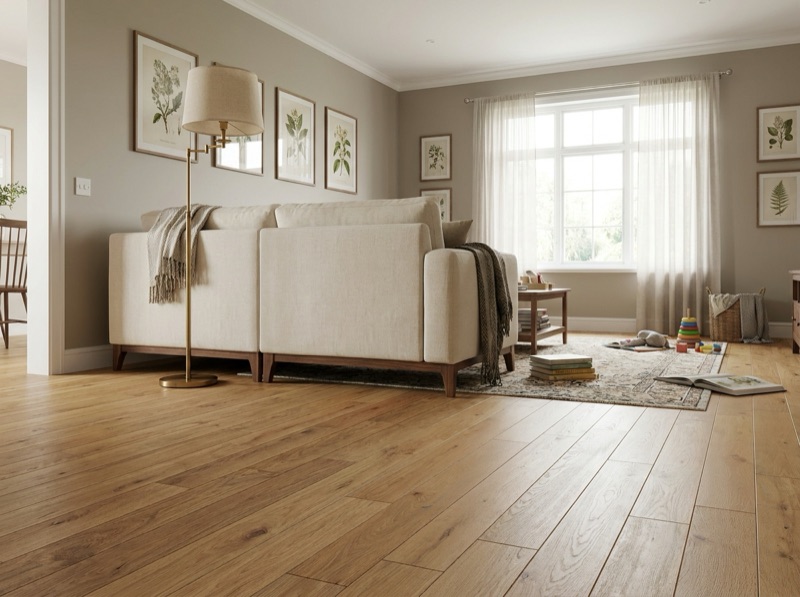
Birch flooring
What is birch flooring?
Birch flooring gets confused with birch plywood, and its reputation for being flimsy comes from the plywood, not the tree. A solid birch floor is a genuine hardwood with a fine, subtle grain, respectably hard, just less forgiving to look at than a busier species. Judged as the wood it actually is, birch sits in the middle of the hardwood range rather than at the bottom of it.
Say the words birch flooring to most people and a picture forms fast: thin plywood, flat pack furniture, something that dents if you look at it wrong. None of that is really about the tree. It is about where most people have actually encountered birch, and it has almost nothing to do with what a solid birch floor is like underfoot.
Where the reputation actually comes from
Birch shows up constantly as plywood, in cabinet boxes, flat pack furniture and shop shelving, far more often than it shows up as solid lumber. Thin veneer layers of birch glue into a strong, practical panel, and that panel ends up everywhere, including in furniture built to be assembled once and moved rarely again. People handle that plywood far more often than they ever handle a solid birch plank, and the association sticks even though it was never really about the tree. The wood inside that panel and the solid board milled straight from a birch trunk are not the same product, and they do not behave the same way on a floor.
What solid birch actually is
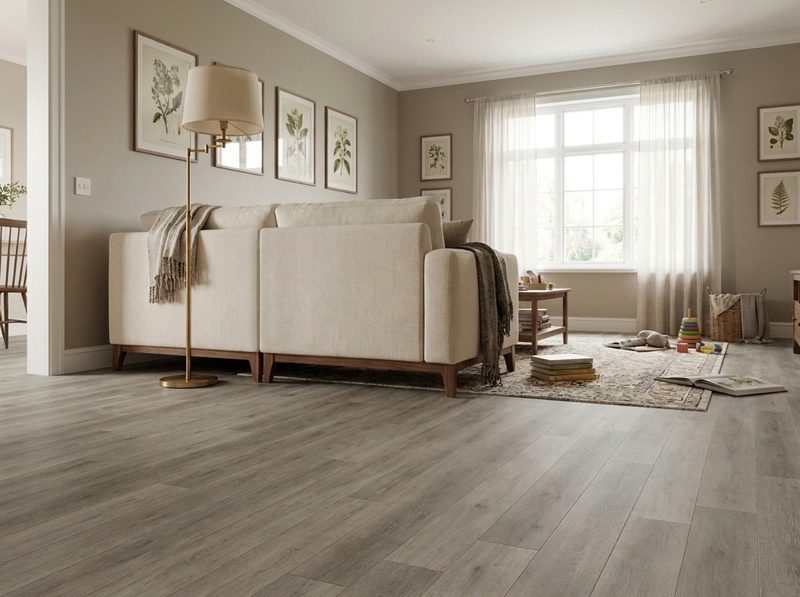
A solid birch floor is milled the same way any other solid hardwood is, one piece of lumber, tongue and groove, finished across the same range of options as anything else on a hardwood rack. The grain is fine and understated, closer to maple's quiet figure than to oak's bold lines, with a pale, warm tone that can run from nearly white sapwood to a soft reddish brown in the heartwood. It is a genuinely respectable hardwood on any honest comparison, sitting in the middle of the pack rather than at the bottom, even though it does not top the chart the way hickory does.
Yellow birch is the species most often milled for flooring, sometimes sold as hard birch, and it is the one worth asking for by name if a specific product comes up. It is a different tree from the paper birch most people picture from a hiking trail, with white peeling bark, and the two should not be assumed to behave the same way underfoot. If a listing or a supplier names a species, ask which birch it actually is rather than assuming they are interchangeable.
The part of the reputation that's actually true
One piece of the reputation does hold up under an honest look, and it deserves to be said plainly rather than glossed over. Birch's fine, even grain and pale face behave a lot like maple's: a smooth surface with less natural camouflage than a busier wood like oak or hickory carries, so scuffs and small dents show more readily on it than they would on a wood with more figure to hide them in. Maple deals with this exact tradeoff. It is not a soft wood. It is a quiet looking wood, and quiet surfaces show more than busy ones do.
What follows once the misconception is out of the way
Once birch is judged as the actual wood it is rather than as plywood with a floor's name on it, the honest questions become the same ones worth asking about any subtle, pale species. Does the household want a floor that hides daily wear or one that shows it. Does the room get hard light that will catch every scratch. Is the calm, understated look actually the goal rather than a compromise, or is it standing in for a color and a grain the buyer hasn't quite named yet. Those are the same questions maple and white oak answer, and it is worth weighing birch against what we actually carry rather than against a stereotype from a furniture aisle.
Settling it against real boards, not the name
If a specific birch product is what you are after, bring it by name, or bring the sample itself, and we will tell you honestly whether it is something we can get rather than guess at it. What is standing on the showroom floor at any given moment moves with what is milled and what is on the truck, so the only accurate answer about what is on hand today is the one you get by asking. Tell us what drew you to birch in the first place, the pale color, the subtle grain, or the name itself, and we will set the boards that answer that same question right next to it, so the comparison is between two real floors rather than between a floor and a reputation. Call 636-332-0654.
What else people ask about birch
Whether it's the same as plywood, how it takes stain, and why it photographs differently than it looks in person.
636-332-0654No, not in the way that matters for a floor. Plywood uses thin birch veneer glued into layers for strength as a panel product. Solid birch flooring is milled from one piece of birch lumber the way any solid hardwood is, and it performs like a hardwood floor, not like a sheet of plywood.
No, it is a genuine hardwood that lands in the middle of the range rather than at the bottom of it. What people notice is that its smooth, pale, quiet grain shows marks more readily than a busier species does, which reads as softness even though the underlying wood is respectably hard.
It can, because its subtle grain and pale tone depend on light the way maple's does. A birch floor under warm bulbs looks noticeably different than the same floor under daylight, so a photo taken in one kind of light can undersell or oversell it. Seeing a full size board under your own room's light settles it faster than a photo ever will.
It can blotch under stain in a way similar to maple, since both have a tight, even grain that absorbs pigment unevenly without the right preparation. A conditioner applied before staining, or staying closer to birch's natural pale tone, are the two common ways around it.
Let the measure answer the real question
Bring the room this is for, and whether you want the floor to hide wear or show it honestly. We'll match that against what's actually on the rack during a free in-home measure, not a guess based on a name.
Free estimate
636-332-0654